

IMPACT-ing Africa: Service-Learning, Youth Ministry, and Theosis
Our time in Africa was deeply inspiring, and the enthusiasm from the local church leaders was humbling. After hearing about the program, Metropolitan Jeronymos exclaimed, “We have been praying for support to further develop our active youth ministry, and the program that Dana has created is like a gift of gold.” It was clear to me that the potential for this model to take root in East Africa is enormous.
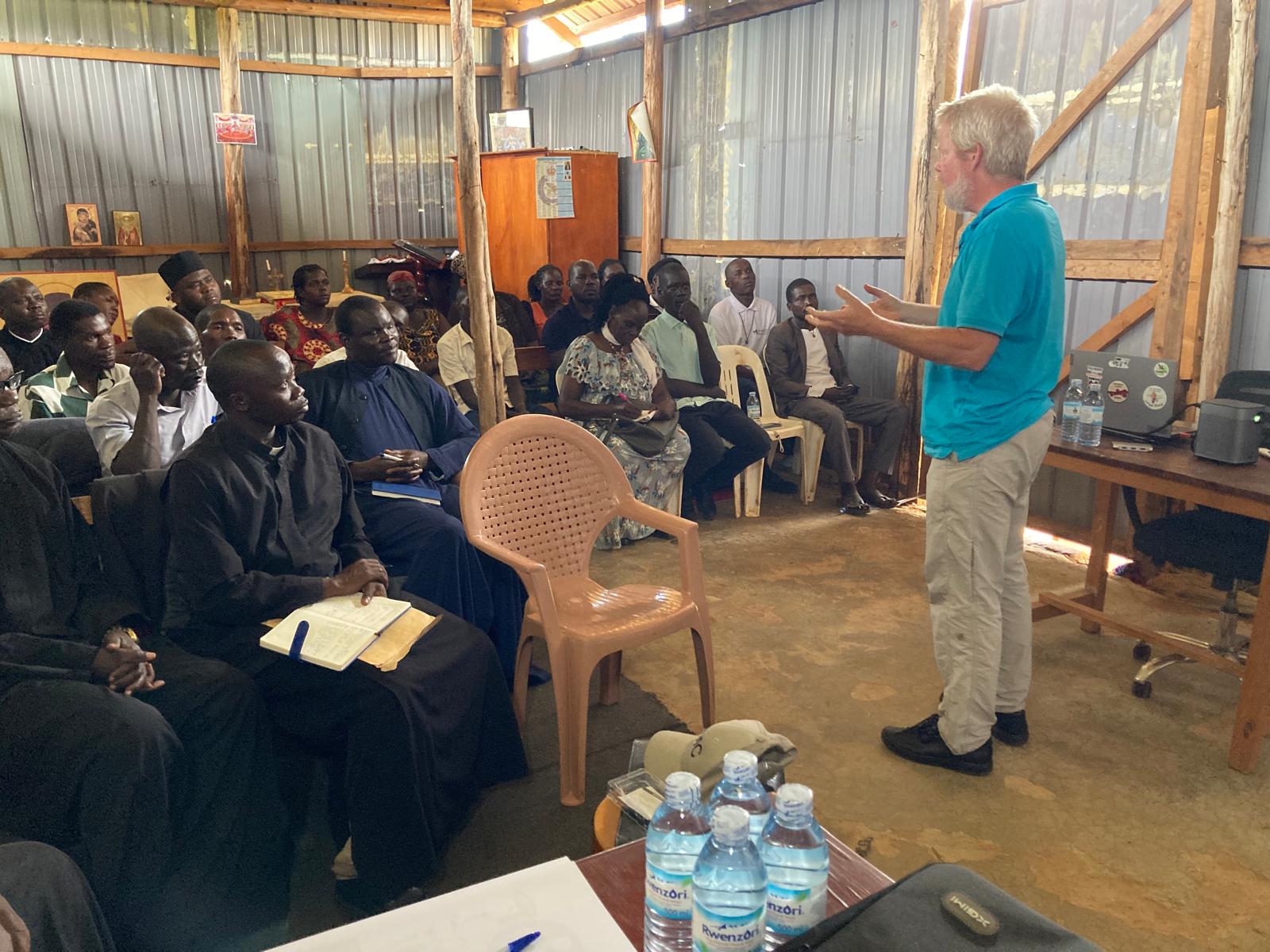
What makes IMPACT resonate so strongly in Uganda and Kenya? A big part of it is that IMPACT doesn’t impose on local culture—it grows from within. The Orthodox Church in Africa is built on a foundation of respecting local traditions, and Orthodoxy was embraced here in the 1930s and 1940s precisely because of its non-colonial, non-racist approach. That spirit is alive today. The church incorporates cultural expressions like African music and dance into its worship, so there’s a natural synergy with IMPACT’s adaptable framework. Local youth pick their own projects and adapt the program to fit their own communities.
For example, one of the key pillars of IMPACT is “Play.” In Romania, that might look different from how it’s expressed in Africa, where dance and song play a central role in community life. The beauty of the model is that it’s not prescriptive. It allows young people to take ownership of their projects and infuse them with their culture and values.
Now, let me step back and tell you a bit about how IMPACT got started. It wasn’t something we planned. Back in 2000, we were running a summer adventure camp in Romania, and IMPACT emerged almost by accident as an afterthought. Over the years, we pieced together different educational approaches, but the breakthrough came when we discovered service-learning. Unlike basic voluntarism, service-learning empowers youth to take charge of identifying and solving real issues in their communities. They gain leadership, problem-solving, and technical skills, all while living out Galatians 6:2: “Bear one another’s burdens and so fulfill the law of Christ.”
What began as a small club in our living room grew to reach thousands of youth across Romania. In 2006, we took IMPACT international, starting in Honduras, and it thrived even in one of the toughest places in the world. Soon, World Vision noticed and started rolling out the program globally, including in Armenia and Sri Lanka, where the results have been nothing short of amazing. In Sri Lanka alone, over 1,300 clubs were formed, reaching nearly 30,000 adolescents and launching thousands of service projects.
One unforgettable example of IMPACT in action took place in the Romanian port city of Constanta. Local “spice shops” were selling dangerous drugs near schools. The local IMPACT club decided enough was enough. After their petition to the mayor was ignored, they organized a city-wide march that drew thousands of people. At the end of the march, a young girl from the club shared her story of overcoming addiction. The mayor finally listened, and within a week, the shops were shut down, changing countless lives.
It’s stories like this that show how service-learning isn’t just about doing good deeds. It’s about transformation—both for the youth involved and for their communities. And as Orthodox Christians, we believe that this kind of service is essential for our spiritual growth. As Nicholas Cabasilas wrote, “Two things commend us to God: initiation into the Mysteries and the training of the will for virtue.” Through acts of mercy, like those encouraged in the IMPACT program, youth learn to bear one another’s burdens and become more like Christ.
IMPACT has a bright future in East Africa, and I’m excited to see how it will grow there.
I’ll be traveling around the U.S. in 2025 to raise support for this mission, and I’d love to visit your parish and share more about what we’re doing. Feel free to check out my profile at the Orthodox Christian Mission Center and reach out to me at d.bates@ocmc.org.
Together, we can support the rise of Orthodoxy in Africa, honoring their rich traditions while equipping the next generation to serve their communities and grow in their faith.